Kisumu Maternity Ward Offers Free Oxytocin While Delivery Room Thermometer Gaps Risk Neonatal Hypothermia
On a warm March morning in Kisumu, Jane Akinyi gave birth to a healthy-looking baby girl at the Kisumu County Referral Hospital. The delivery was uncomplicated, and the oxytocin she received to prevent postpartum haemorrhage was free—part of Kenya's national programme that supplies the drug to public facilities. But within hours, her newborn turned cold and lethargic. Nurses had no thermometer to check the baby's temperature. They relied on touch, placed the infant under a shared radiant warmer, and hoped for the best. Jane's story is not unusual. It points to a stark contradiction in Kenya's maternal health system: the availability of a high-profile drug alongside the absence of a US$5 tool that could prevent a leading cause of newborn death.
A Free Dose, a Cold Baby: The Contradiction at Kisumu's Maternity Unit
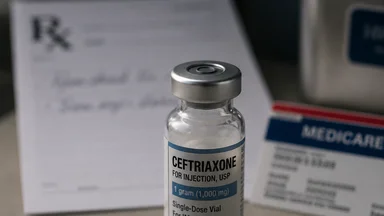
Oxytocin is a cornerstone of safe childbirth. Since 2013, Kenya's free maternity policy—known as Linda Mama—has covered the cost of oxytocin and misoprostol in public hospitals. The drugs are procured through donor-funded supply chains, including the UNFPA and USAID, and are generally available in Kisumu's main referral facility. But the same wards that stock these life-saving medicines often lack basic equipment for thermal care. Nurses report that digital thermometers are routinely out of stock or simply unavailable in delivery rooms.
The World Health Organization recommends immediate skin-to-skin contact and delayed bathing to prevent hypothermia, but without a thermometer, staff cannot confirm whether a newborn is maintaining normal temperature—between 36.5°C and 37.5°C. A senior nurse at Kisumu County Referral Hospital, speaking on condition of anonymity, said hypothermia is 'frequent and undocumented.' She estimated that at least one in ten newborns in the nursery arrives with a temperature below 35°C, a condition that can lead to respiratory distress, hypoglycaemia, and death.
This gap between pharmaceutical access and basic equipment is not unique to Kisumu. A 2023 study in the East African Medical Journal documented that in Machakos County, 45% of newborns admitted to the neonatal unit had hypothermia on arrival, and only 35% of delivery rooms had a functional thermometer. As one midwife put it, 'We have the drug to stop bleeding, but we lack the basics to keep the baby warm.'
How a County Health Budget Allocates for Drugs but Skips Thermometers
Kisumu County's health budget is tight. In the 2024–25 financial year, the county allocated roughly 30% of its total budget to health, with a sizeable portion going to salaries and drug procurement. Oxytocin and other essential medicines are funded through a mix of national government allocations and donor programmes, which often specify that funds be used for particular commodities. Thermometers, by contrast, fall into a category that hospital administrators describe as 'non-essential consumables.'
The hospital's procurement officer explained that requests for thermometers are routinely deferred. 'We have a list of equipment needs that includes everything from oxygen concentrators to incubators. Thermometers are small items, but they are not seen as urgent,' he said. The irony is that a digital thermometer costs under US$5—far less than the price of treating a single case of severe hypothermia, which may require antibiotics, intravenous fluids, and extended hospital stays.
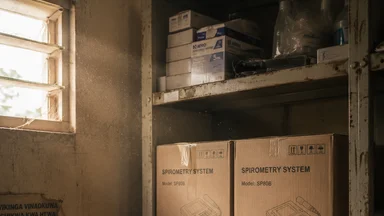
Budget lines for medical equipment at the county level tend to cover major items: delivery beds, ultrasound machines, and surgical instruments. Consumables like thermometers, blood pressure cuffs, and stethoscope parts are often left to the discretion of individual facility managers, who may lack the authority or funds to order them. A 2023 health facility assessment in Kisumu found that only 40% of delivery rooms had a functional thermometer on the day of the survey.
Donor funding, while generous for drugs, rarely stretches to cover basic diagnostics. The Global Fund, PEPFAR, and other large initiatives target specific diseases—HIV, malaria, tuberculosis—and their performance metrics are tied to those outcomes. Newborn temperature monitoring is not a global target. As a result, a US$1 plastic-strip thermometer remains out of reach for many wards.
Neonatal Hypothermia: A Quiet Killer in Warm Climates
In Kisumu, where daytime temperatures regularly exceed 30°C, it might seem odd that babies get cold. But newborns lose heat rapidly after birth. Their large surface-area-to-body-weight ratio, thin skin, and limited ability to shiver make them vulnerable, especially in delivery rooms that are air-conditioned or have open windows. A baby's temperature can drop by 1°C per minute if not dried and wrapped immediately.
Neonatal hypothermia is a major contributor to infant mortality in Kenya. The World Health Organization estimates that hypothermia is a factor in roughly 30% of neonatal deaths. Many of these deaths are preventable with simple interventions: immediate drying, skin-to-skin contact, delayed bathing, and use of warmers or incubators. But without a thermometer, hypothermia often goes undetected until the baby is already in distress.
A 2022 study in the Journal of Tropical Pediatrics found that in Kenyan public hospitals, fewer than half of newborns had their temperature recorded within the first hour of life. Nurses rely on touch, which is unreliable. 'You can feel a baby is cold, but you don't know how cold, and you don't know if your warming measures are working,' said a paediatric resident at the hospital. She described cases of babies arriving in the nursery with temperatures below 35°C, their skin mottled, their breathing shallow.
Skin-to-skin care, also known as kangaroo mother care, is a low-cost solution that requires no equipment—just staff time and privacy. But it is not consistently practiced. Some mothers are not informed about its benefits; others are separated from their babies for routine procedures. Delayed bathing, another simple intervention, is often skipped due to hospital protocols that mandate immediate cleaning. The result is a silent epidemic of cold babies.
One Mother's Story: A Normal Delivery, Then a Frigid Night
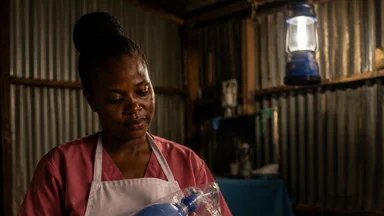
Jane Akinyi, 24, arrived at Kisumu County Referral Hospital in early labour on a Tuesday morning. She had attended four antenatal visits and was considered low-risk. Her daughter was born at 2 p.m. after six hours of labour. The baby weighed 3.2 kilograms and cried immediately. 'They put her on my chest for a few minutes, then took her to weigh and clean her,' Jane recalled. 'After that, she was in a cot next to me.'
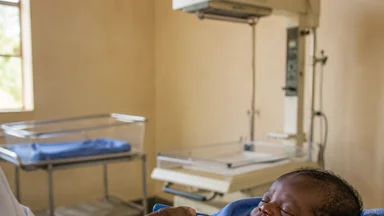
By evening, Jane noticed her daughter was unusually quiet. 'She was not crying for milk. She felt cold to my touch.' She called the nurse, who felt the baby's forehead and said, 'She's a little cool, we'll put her under the warmer.' The warmer—a radiant heater on a stand—was shared across three bassinets. Its calibration had not been checked in months. The nurse did not take a temperature because there was no thermometer on the ward.
The baby remained under the warmer overnight. Jane was told to breastfeed but struggled because her daughter was too weak to latch. By morning, the baby's colour had improved, but she was still lethargic. A paediatrician was called, and the baby was transferred to the nursery, where an incubator was available. After two days of observation, she recovered. Jane was never given a diagnosis. 'They said she was fine now. I didn't know she had been cold,' she said.
Jane's experience is typical. Many mothers leave the hospital unaware that their baby experienced hypothermia. Without documentation, the condition remains invisible to health planners. A 2024 audit at the same hospital found that hypothermia was listed as a diagnosis in fewer than 5% of newborn charts, even though nursing notes frequently mentioned 'baby cold' in passing.
Oxytocin Access Has Improved—But the Full Package Remains Elusive
Kenya's free maternity policy has been widely praised for reducing out-of-pocket costs and increasing facility deliveries. The proportion of women giving birth in health facilities rose from 44% in 2008 to roughly 80% in 2023, according to the Kenya Demographic and Health Survey. Oxytocin and misoprostol are now available in most public hospitals, thanks to steady donor procurement. But the policy's focus on drugs has created a blind spot.
'We have the medication to prevent bleeding, but we lack the basics to keep the baby alive,' said the senior nurse. The WHO's guidelines for essential newborn care include a bundle of interventions: thermal protection, early initiation of breastfeeding, hygienic cord care, and resuscitation if needed. In Kisumu, thermal protection is the weakest link. A 2023 assessment by the Ministry of Health found that only 30% of facilities in the county had all the items needed for thermal care—including thermometers, warmers, and training materials.
Donor programmes that fund oxytocin often tie their success to metrics like 'percentage of women receiving uterotonics' or 'reduction in postpartum haemorrhage deaths.' These are important, but they do not capture newborn outcomes. A hospital could meet its oxytocin targets while newborn hypothermia rates remain high. 'We are measured on what we give to the mother, not on what happens to the baby,' said a hospital administrator.
This disconnect is not unique to Kenya. Similar patterns have been documented in other low- and middle-income countries, where vertical funding streams create silos. In Tanzania, for example, a 2021 study found that facilities with reliable oxytocin supplies were no more likely to have thermometers than those without. The lesson is clear: drug access does not guarantee comprehensive care.
Low-Cost Solutions That Could Close the Gap in Kisumu
The solutions to the thermometer gap are neither expensive nor complex. Simple plastic-strip thermometers, which change colour to indicate temperature, cost less than US$1 each. Digital thermometers, more accurate and reusable, are available for around US$5. Equipping every delivery room in Kisumu County would require a one-time investment of roughly US$10,000—less than the cost of a single incubator.
Training nurses to use hypothermia detection charts and to practice kangaroo mother care is another low-cost intervention. The Ministry of Health piloted a programme in Makueni County that trained staff on thermal care and provided thermometers to all delivery rooms. Within a year, the incidence of neonatal hypothermia in the pilot facilities dropped by roughly 40%, according to a 2024 evaluation. The total cost per facility was under US$200.
Kisumu County could adopt similar protocols with minimal budget reallocation. One option is to shift a small percentage of the drug budget—say, 1%—toward basic equipment. Another is to include thermometers in the standard delivery kit that every maternity unit receives. The national government's Division of Child Health has drafted guidelines that recommend thermometers in all delivery rooms, but implementation has been slow.
Community health workers could also play a role. In rural areas, they are already being trained to identify danger signs in newborns. Adding a simple temperature check using a low-cost thermometer would be straightforward. A 2023 pilot in Siaya County, adjacent to Kisumu, showed that community health workers could accurately measure newborn temperature using plastic-strip thermometers and refer hypothermic babies to health facilities.
What a Thermometer Tells Us About Health System Priorities
The absence of thermometers in Kisumu's maternity ward is not a technical problem—it is a priority problem. Health systems in low- and middle-income countries are shaped by donor agendas, national targets, and budget politics. High-visibility commodities like oxytocin attract funding because they are easy to count and directly linked to maternal mortality reduction. Basic equipment like thermometers, by contrast, falls through the cracks because it does not fit neatly into any vertical programme.
This gap reflects a broader neglect of newborn care essentials. In many African hospitals, resuscitation equipment, suction devices, and infection control supplies are also in short supply. A 2022 WHO report found that fewer than half of health facilities in sub-Saharan Africa had all the items needed for basic newborn resuscitation. The pattern is consistent: drugs and vaccines are prioritised; diagnostics and equipment are deferred.
Budget flexibility at the county level could help. Kisumu's health department has some discretion over how it spends its allocation, but thermometers are not seen as a pressing need. 'We have to choose between a thermometer and a new delivery bed. The bed wins every time,' said the procurement officer. Yet the cost of a thermometer is so low that it could be absorbed by reallocating funds from administrative expenses or by negotiating with donors to include consumables in their procurement contracts.
Donors and national governments must align on comprehensive care packages rather than single-commodity fixes. The Every Newborn Action Plan, endorsed by WHO and UNICEF, calls for a package of interventions that includes thermal care. But funding for the plan remains fragmented. Without a coordinated push, the thermometer gap will persist—and babies like Jane's daughter will continue to shiver in the shadows of a system that prioritises drugs over diagnostics.
Closing the Gap: What Needs to Happen Next
The path forward is clear but requires deliberate action. First, Kisumu County should conduct a rapid audit of thermometer availability in all maternity wards and allocate a modest budget—perhaps US$10,000 from the county health budget—to purchase digital thermometers for every delivery room. This one-time investment would cost less than the treatment of a handful of severe hypothermia cases and could save dozens of lives each year.
Second, the national Ministry of Health should update its essential medicines and equipment list to include thermometers as a mandatory item for every delivery ward. The Division of Child Health has already drafted such guidelines; they need to be formally adopted and enforced through routine supervision visits. Third, donor partners such as UNFPA and USAID should expand their procurement contracts to include basic newborn care equipment alongside drugs. Including a US$1 plastic-strip thermometer in every oxytocin shipment would be a simple, high-impact change.
Finally, hospital administrators and county health managers must recognise that comprehensive newborn care is not an optional add-on but a core responsibility. Training programmes on kangaroo mother care and hypothermia detection should be integrated into routine maternal health services. Community health workers, already deployed for maternal and child health, can be equipped with low-cost thermometers and simple referral protocols.
Jane Akinyi's daughter survived, but the next baby might not. The tools to prevent hypothermia are cheap and proven. The question is whether Kenya's health system will choose to use them. For Kisumu, the answer should be a resounding yes.